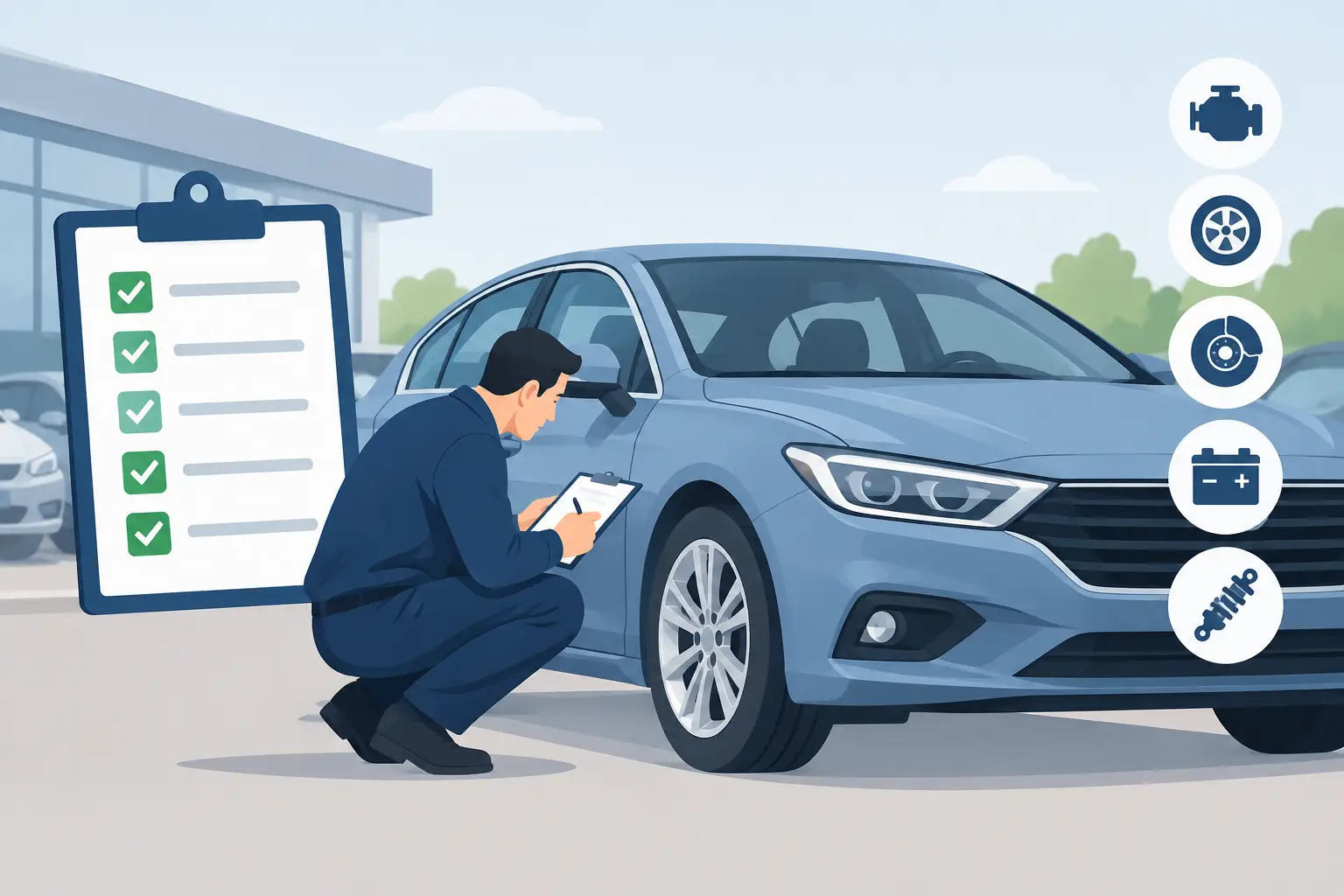
Used Car Pre Purchase Inspection Checklist
A low price can look like a good deal until the first warning light, brake repair, or transmission problem arrives. A used car pre purchase inspection gives you a clear picture of the vehicle before money changes hands. It is not about finding a flawless used vehicle. It is about knowing what you are buying, what it will need, and whether the asking price still makes sense.
For drivers in Stillwater, a dependable vehicle is more than a convenience. It gets you to work, class, appointments, family commitments, and everything in between. A professional inspection replaces guesswork with evidence, so you can make the decision with confidence instead of relying on a seller's description or a quick test drive.
What a Pre Purchase Inspection Actually Covers
A proper inspection goes beyond checking the oil level and looking for obvious dents. The goal is to evaluate the vehicle's safety, mechanical condition, maintenance needs, and signs of prior damage or incomplete repairs.
A technician begins with a visual inspection of the exterior, undercarriage, engine compartment, tires, brakes, suspension, and steering components. This can reveal fluid leaks, rust, worn tires, damaged panels, uneven tire wear, loose parts, and evidence of collision repairs. Not every cosmetic issue is a mechanical concern, but panel gaps, mismatched paint, or fresh undercoating can warrant a closer look.
The inspection should also include a road test when conditions allow. A vehicle may seem fine while parked but show problems once it is moving. Brake vibration, steering pull, wheel-bearing noise, transmission hesitation, engine misfires, suspension clunks, or overheating concerns often become more apparent during a careful drive.
Professional scan tools are another important part of the process. A dashboard with no warning lights does not always mean there are no problems. Diagnostic equipment can identify stored trouble codes, pending codes, readiness-monitor status, and data that may point to engine, transmission, emissions, or electrical-system concerns. Cleared codes or incomplete monitor readiness can be a reason to pause and ask more questions.
Why a Test Drive Is Not Enough
A test drive tells you whether the vehicle feels comfortable and whether major issues are immediately obvious. It does not tell you the remaining thickness of the brake pads, the condition of hidden suspension components, or whether a small oil leak is becoming a larger repair.
Sellers may not know about every issue, especially with trade-ins or private-party vehicles. Some sellers are honest but have not had the vehicle professionally checked. Others may describe a noise as normal, say a warning light was already repaired, or assume that recent maintenance means the car needs nothing else.
A used vehicle can drive smoothly for 15 minutes and still need significant work. A weak battery, aging serpentine belt, leaking strut, worn control-arm bushing, or borderline transmission condition may not show up during a short drive. The point of an inspection is to identify the condition that is not obvious from the driver's seat.
The Most Important Areas to Inspect
Brakes, Tires, and Suspension
Brakes and tires affect safety immediately, and they can change the real cost of a used car purchase. An inspection should measure brake-pad thickness, inspect rotor condition, check for fluid leaks, and look for uneven wear that may signal a sticking caliper or suspension issue.
Tires should be checked for tread depth, age, cracking, plugs, sidewall damage, and uneven wear patterns. Four tires with acceptable-looking tread may still need replacement if they are old or deteriorating. Uneven inner-edge wear can point to alignment problems, worn suspension parts, or previous impact damage.
Suspension and steering checks matter on Oklahoma roads, where potholes, gravel roads, and everyday driving can take a toll. Worn struts, ball joints, tie-rod ends, wheel bearings, and bushings can affect handling, tire life, and braking stability.
Engine, Transmission, and Fluid Condition
The engine compartment can tell a detailed story when it is inspected carefully. Technicians look for oil leaks, coolant leaks, damaged hoses, worn belts, corrosion, poor-quality repairs, and signs of overheating. Fluid condition can also provide useful context, although fluid color alone should never be treated as a full diagnosis.
Transmission concerns deserve particular attention because repairs can be expensive. During a road test, a technician looks for delayed engagement, harsh shifting, slipping, shuddering, abnormal noise, and warning codes. Some transmission problems are intermittent, so an inspection cannot guarantee future performance. It can, however, identify warning signs that should affect your decision or the price you are willing to pay.
The same is true for engine performance. A rough idle, hesitation under acceleration, misfire history, smoke from the exhaust, or abnormal scan-tool readings may indicate anything from overdue maintenance to a more serious internal issue. Clear findings help separate manageable repairs from vehicles that may carry unacceptable risk.
Electrical Systems and Warning Lights
Modern vehicles depend on dozens of modules, sensors, wiring circuits, and computer-controlled systems. Power windows, lighting, charging systems, air conditioning, safety features, cameras, and infotainment functions should be checked as part of a thorough inspection.
A battery can start a car and still be near the end of its service life. Alternator output, battery condition, corroded terminals, and charging-system performance can all be tested. Electrical repairs vary widely in cost because the cause may be a simple connection, a failing component, or a wiring issue that requires detailed diagnosis.
Pay close attention to warning lights, even if the seller says the vehicle runs fine. Check-engine, ABS, airbag, tire-pressure, and battery lights should be diagnosed, not dismissed. Turning off a warning light without correcting the underlying fault is not a repair.
What the Inspection Report Should Tell You
A useful report does more than say that a vehicle passed or failed. Used cars are not new cars, and most will have some level of wear. You need clear information about what is safe to drive now, what should be repaired soon, what can be monitored, and what may become costly.
Ask for findings in plain language, along with the reason behind each recommendation. If brake pads are low, you should know how low. If a fluid leak is present, you should know where it is coming from and whether it is minor seepage or an active leak. If scan-tool codes are found, ask whether they are current, pending, or likely related to a known issue.
At The Auto Guy LLC, the purpose of an inspection is not to create a list of unnecessary services. It is to provide a technically precise assessment of the vehicle's condition, supported by visible evidence and clear repair priorities. That gives you a practical basis for deciding what to do next.
How to Use the Results When Buying
Do not assume that any finding means you should walk away. The decision depends on the vehicle's age, mileage, price, maintenance history, and the nature of the repair. Tires, brakes, filters, and routine fluids are expected maintenance items on many used vehicles. Their cost should simply be part of your purchase calculation.
More serious concerns may justify negotiating a lower price, asking the seller to complete repairs, or choosing another vehicle. Structural damage, major engine noise, repeated transmission faults, severe rust, airbag-system problems, or evidence of overheating deserve careful consideration. A low purchase price rarely stays low if the vehicle needs substantial repairs right away.
If the seller refuses to allow an independent inspection, treat that as meaningful information. There may be a reasonable logistical explanation, but a seller who is confident in the vehicle's condition should generally understand why a buyer wants a professional opinion.
When to Schedule the Inspection
Schedule the inspection before signing paperwork, sending a deposit that cannot be refunded, or accepting verbal assurances about repairs. For a dealership purchase, ask to take the vehicle to an independent shop or arrange for an inspection before finalizing the sale. For a private-party purchase, coordinate a time when the vehicle can be brought in and driven if needed.
Bring the vehicle identification number, available service records, and any concerns you noticed during your own drive. Mention whether the vehicle has been sitting for a long time, was recently repaired, has a salvage or rebuilt title, or has warning lights that come and go. Details like these help the technician focus the inspection.
A used car purchase always involves some uncertainty, but hidden mechanical problems should not be part of the gamble. A careful inspection gives you the facts needed to buy with clear expectations, negotiate from a position of knowledge, or keep looking for the vehicle that better protects your budget and reliability.
Comments