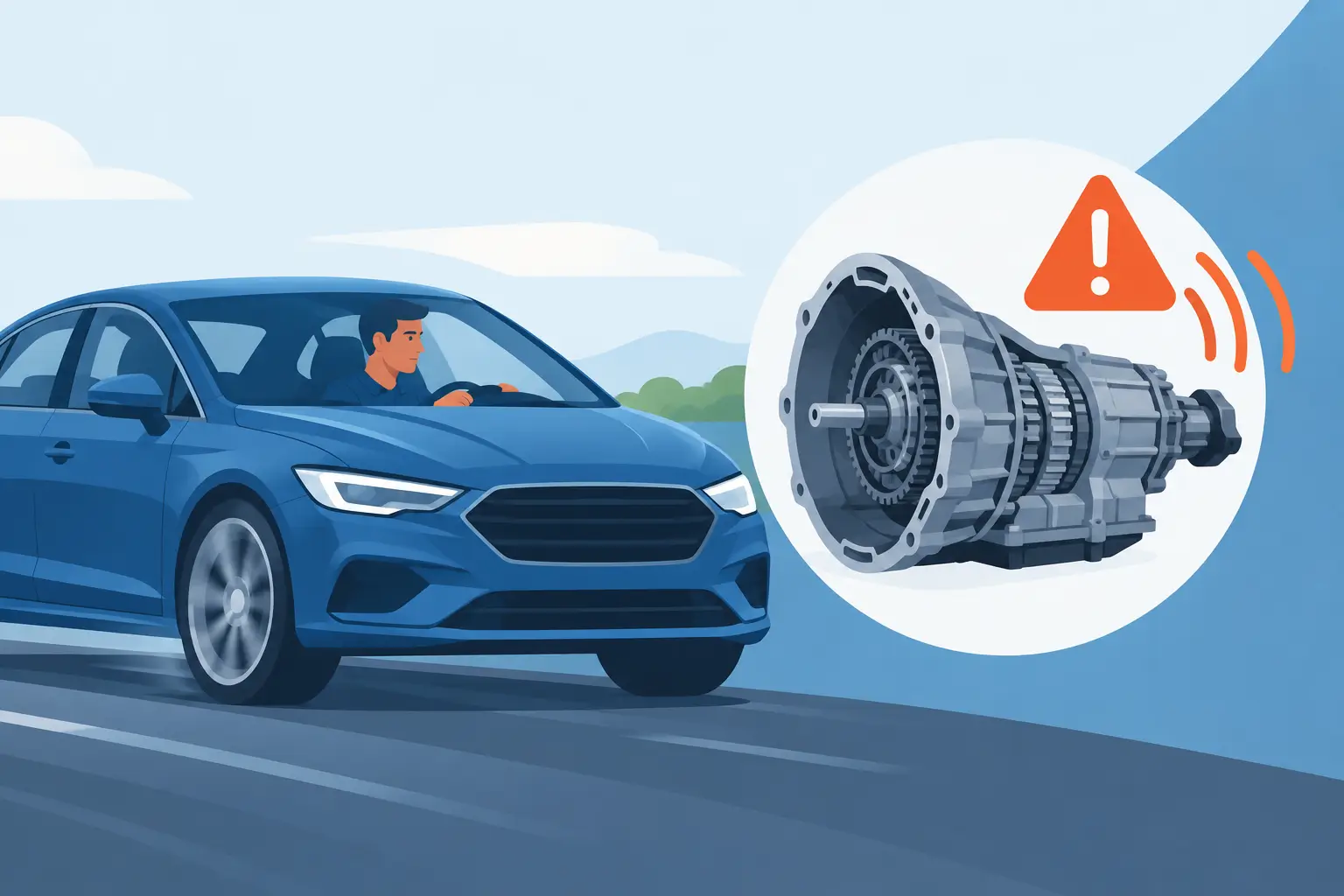
Transmission Slipping When Accelerating? Act Fast
A vehicle that revs harder but does not pick up speed the way it should is telling you something. Transmission slipping when accelerating can feel like a brief flare in engine RPM, a delayed gear change, shuddering, or a loss of pulling power on hills and highway entrance ramps. It may happen only when the vehicle is cold, under heavier throttle, or after it has been driven for several miles.
That symptom should not be ignored. A transmission problem can begin with a correctable fluid issue or an electrical control fault, but continued driving can turn a smaller repair into internal damage. The right next step is not to assume the transmission needs replacement. It is a professional diagnosis that identifies what is slipping, why it is happening, and whether the condition is safe to drive.
What Transmission Slipping Feels Like
In a conventional automatic transmission, the engine sends power through clutch packs, bands, gears, hydraulic passages, and a torque converter. The transmission control system uses fluid pressure and electronic commands to apply the correct clutch pack for each gear. If a clutch does not hold firmly, engine speed may rise without a matching increase in vehicle speed.
Drivers often describe the issue as the vehicle "revving but not going." Other signs can include a hesitation before the transmission engages, inconsistent shifts, harsh shifts after a delay, vibration during acceleration, or a burning smell. Some vehicles may also turn on a check engine light or transmission warning message.
The exact symptom matters. A brief RPM change during a normal shift is different from repeated flaring between gears. A shudder at a steady speed may point to torque converter clutch operation, while a loss of acceleration from a stop could involve the transmission, engine performance, a slipping clutch in a manual vehicle, or even a brake issue. Accurate details help narrow the inspection quickly.
Common Causes of Transmission Slipping When Accelerating
Transmission fluid is often the first item to evaluate, but it is not the answer in every case. Automatic transmission fluid does more than lubricate components. It helps create the hydraulic pressure needed to apply internal clutches and manage shifts. Fluid that is low, overheated, contaminated, or the wrong specification can contribute to poor engagement and slipping.
A leak may be visible under the vehicle, but not always. Leaks can occur at cooler lines, pan gaskets, axle seals, transmission case connectors, and other sealing points. Some newer vehicles do not have a traditional dipstick, so fluid level checks require a specific temperature range and service procedure. Adding fluid without verifying the correct type and level can create another problem.
Internal wear is another possibility. Friction material on clutch packs can wear down over time, particularly when a vehicle has been driven with overheated fluid, used for towing beyond its limits, or operated for an extended period with delayed maintenance. Worn internal parts may produce debris in the fluid and cause more noticeable slipping under load.
Electronic and hydraulic controls also deserve close attention. Modern transmissions depend on sensors, solenoids, wiring, valve bodies, and computer commands. A failed shift solenoid, pressure-control issue, corroded connector, or inaccurate speed sensor can prevent the transmission from applying the correct gear properly. These faults may be repairable without a full transmission rebuild, which is why scan data and targeted testing matter.
On vehicles equipped with a continuously variable transmission, or CVT, the sensation may be different. A CVT does not shift through fixed gears in the same way as a conventional automatic. Drivers may notice surging, high RPM, hesitation, or a rubber-band feeling during acceleration. CVT diagnosis requires the correct fluid, service information, and testing process for that specific vehicle.
Do Not Confuse Slipping With an Engine Problem
Not every acceleration complaint comes from the transmission. An engine with a misfire, fuel delivery issue, restricted air intake, or turbocharger problem can feel weak or hesitant. In those cases, RPM may not rise in the same way as a slipping transmission, but the driver may still experience reduced power.
Wheel and driveline problems can also create confusing symptoms. A failing CV axle, worn differential component, or traction control intervention can affect how power reaches the road. On a manual-transmission vehicle, a worn clutch disc can slip under acceleration even though the transmission itself is functioning normally.
This is why replacing parts based on a symptom alone is risky. A warning light scan is useful, but a stored code is only one piece of evidence. Professional diagnosis combines code retrieval with road-test observations, fluid condition, live scan-tool data, electrical checks, and a hands-on inspection for leaks or mechanical concerns.
What to Do Before You Cause More Damage
If the slipping is severe, frequent, or accompanied by a burning smell, stop driving the vehicle and arrange for an inspection. Continuing to accelerate hard through a slipping condition creates heat, and heat can rapidly damage friction materials and transmission fluid. The same caution applies if the vehicle struggles to enter traffic safely or loses power while climbing a hill.
If the symptom is mild and intermittent, avoid towing, heavy loads, aggressive acceleration, and long trips until the vehicle is checked. Make a note of when it occurs. Does it happen only after the vehicle warms up? Is it worse in reverse, at a particular speed, or when climbing a grade? Did it begin after recent service or after a dashboard warning light appeared? Those details are useful to the technician.
Avoid quick-fix additives marketed as a cure for slipping. Some products can temporarily change fluid behavior, but they do not repair worn clutches, damaged seals, failed solenoids, or control-system faults. They can also complicate diagnosis or conflict with the fluid requirements of newer transmissions.
How a Proper Transmission Diagnosis Works
A reliable inspection starts with the concern you can feel from the driver’s seat. A technician may road-test the vehicle, when safe to do so, to verify the RPM flare, delayed shift, shudder, or loss of engagement. The vehicle is then inspected for fluid leaks, damaged wiring, loose connectors, and other visible issues.
Next comes diagnostic data. Professional scan tools can identify transmission-related fault codes, monitor commanded gear versus actual gear, review transmission temperature, and check sensor readings. In some cases, a technician may perform electrical circuit tests, pressure testing, or manufacturer-specific procedures to determine whether the concern is hydraulic, electronic, or internal.
Fluid condition can provide useful evidence, but it must be interpreted carefully. Dark fluid or a burnt odor can indicate overheating, while metallic debris may suggest internal wear. However, fluid color alone does not prove that a transmission needs replacement. The repair recommendation should match the evidence found during inspection.
At The Auto Guy LLC, the goal is to explain those findings in plain language before work begins. Whether the repair involves correcting a leak, servicing the transmission with the proper fluid, repairing a control issue, or addressing internal damage, you should know what was found, what the repair addresses, and what the expected cost includes.
Repair Options Depend on the Actual Fault
A transmission service can be appropriate when fluid condition, maintenance history, and manufacturer recommendations support it. However, service is not a universal cure. If the transmission has substantial internal wear, a fluid change may not restore worn friction material. Conversely, recommending a rebuild without testing for external leaks and electronic faults can lead to unnecessary expense.
Repairs range widely. A seal or cooler-line repair is different from replacing a solenoid or valve body. A damaged wiring harness may require a focused electrical repair, while internal clutch failure may call for a rebuild, replacement unit, or a carefully considered decision based on the vehicle’s condition and value. The best option depends on the diagnosis, the vehicle’s overall reliability, and how long you plan to keep it.
Pay attention to changes in how your vehicle accelerates. A small delay today can become a no-move condition later, often at the least convenient time. Getting a clear diagnosis early gives you more repair options and a better chance of protecting the vehicle you rely on every day.
Comments